Mugola Serif Font for Bold Branding
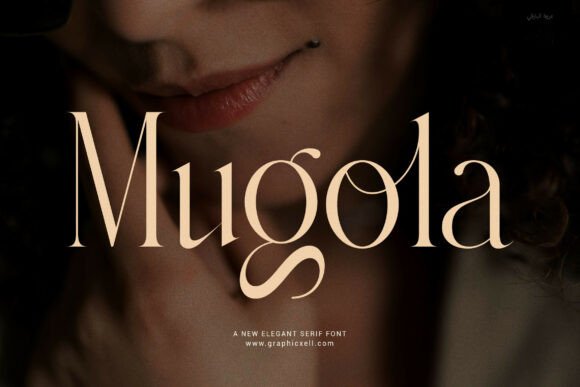
I was working on a branding project for a small boutique coffee shop, and I needed a font that felt both professional and inviting. That’s when I came across Mugola—a sleek and elegant serif font with clean lines and balanced letterforms. It immediately caught my eye because of how it seemed to carry a refined yet approachable vibe, which fit the brand’s personality perfectly.
As I started testing Mugola in different contexts, from logo drafts to packaging mockups, I realized how versatile this typeface could be. The subtle serifs gave it a touch of sophistication, while the modern structure kept it from feeling too old-fashioned. It wasn’t just about aesthetics; Mugola also had a readability that made it feel trustworthy and easy to read—something essential for any brand identity.
A Font That Works Across Multiple Surfaces
I first used Mugola in the logo design. The font’s strong presence helped establish a clear visual hierarchy, making the name stand out without being overwhelming. When I placed it next to a minimalist icon, it created a balanced composition that felt intentional and polished.
Next, I tested it on a shop sign mockup. The font scaled beautifully, maintaining its elegance even at larger sizes. On a business card, it looked sharp and professional, which is crucial for first impressions. For product labels, Mugola added a sense of quality and attention to detail, something that resonated well with the target audience.
In digital formats, Mugola performed just as well. On a homepage hero section, it brought a sense of calm and focus, drawing the viewer’s eye naturally to the message. In social media graphics, it paired nicely with bold colors and imagery, creating a cohesive look that stood out in feeds.
Font Pairing and Practical Considerations
One thing I appreciated about Mugola was how well it worked with other fonts. For instance, pairing it with a sans-serif font like Helvetica for body text created a nice contrast that improved readability without clashing. When I needed a more decorative element, a script font complemented Mugola beautifully, especially in accent areas like taglines or callouts.
I also checked the font styles available. Mugola offered several weights, which allowed me to use it for headlines, subheadings, and even short-form text. This flexibility made it easier to maintain consistency across all brand materials without relying on multiple fonts.
Another practical aspect was the file format support. Mugola came in OTF and TTF formats, which meant it was compatible with most design software. Plus, the commercial license made it safe to use for client projects without worrying about legal issues.
Real-World Observations and Recommendations
Testing Mugola in real-world scenarios helped me understand its strengths better. On a label sticker, it remained legible even at smaller sizes, which is often a challenge with serif fonts. In printed marketing materials, the font maintained its crispness, which is important for maintaining a professional image.
For clients looking to build a brand identity, I’d recommend starting with Mugola for logos and headlines. Its refined appearance can help convey professionalism and trustworthiness. However, it’s best to test it in various applications before committing to it as the primary typeface. A quick mockup with different weights and pairings can reveal how it performs in context.
If you’re working on a creative studio’s website, Mugola could work well in headers or as an accent font. For editorial design, it brings a classic yet modern feel that works well with both print and digital formats. In packaging design, it adds a layer of sophistication that can elevate the perceived value of a product.
Overall, Mugola is a great choice for designers who want a serif font that feels contemporary but still has that timeless appeal. Whether you're designing for a local restaurant, a skincare brand, or a handmade shop, Mugola offers a versatile and elegant solution that can adapt to many needs.
As I wrapped up the project, I felt confident that Mugola had played a key role in shaping the brand’s visual identity. It didn’t just look good—it helped communicate the right message and emotion, which is what every designer aims for. If you're looking for a serif font that balances style and substance, Mugola might just be the one you need for your next project.