Romanine: A Modern Sans Serif Font for Bold Branding
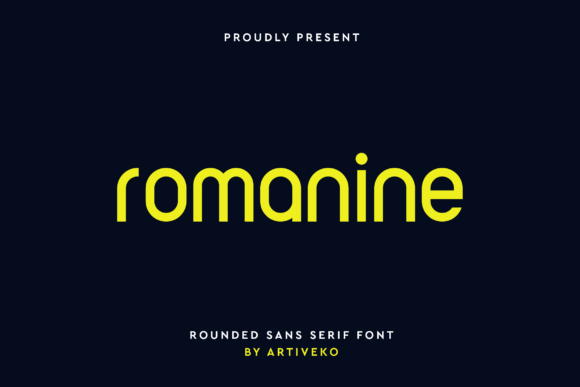
There’s something about starting a new brand identity project that feels like opening a blank canvas. I was recently tasked with refreshing the visual language for a boutique skincare line, and as I sat down with my design tools, I knew I needed a font that could carry the brand’s voice—clean, contemporary, yet approachable. That’s when I landed on Romanine, a refined modern sans serif font that blends clean lines with artistic expression.
A Logo Draft That Speaks Volumes
I first tested Romanine on a logo concept. The brand wanted to feel fresh but trustworthy, and Romanine delivered just that. Its smooth curves gave it a softness that balanced the sharp edges of the product names, while its subtle quirks added a touch of personality. It wasn’t too rigid or too playful—it found the sweet spot between professional and creative.
Compared to other sans serifs I’ve used, Romanine stood out in its ability to maintain legibility even at smaller sizes without losing its character. I paired it with a minimalist serif font for contrast, and the result felt intentional and elegant.
From Packaging to Social Media: Romanine in Action
Next, I applied Romanine to a packaging mockup. The font looked fantastic on product labels, especially when used in short phrases or taglines. It had enough visual weight to be noticed but didn’t overpower the imagery. On a business card, it felt crisp and modern, making the contact information easy to read yet aesthetically pleasing.
When I placed Romanine on a website header, it immediately set the tone for the entire brand experience. The font’s contemporary structure made the site feel up-to-date, and its smooth curves helped guide the eye through the content naturally. For social media posts, Romanine worked well in headlines and captions, maintaining consistency across platforms.
Strengths and Limitations in Real Design Work
Romanine is best suited as a display font or headline font. It shines in short bursts of text where its subtle quirks can be appreciated, such as on shop signs, product mockups, or Instagram posts. However, it may not be ideal for long-form body text due to its more decorative nature. In a case study I did for a handmade shop branding project, using Romanine for extended paragraphs led to a slight drop in readability, so I opted for a complementary sans serif for body copy.
If you’re working on a formal corporate identity or need a font that performs well in small sizes for things like footnotes or fine print, Romanine might not be your go-to choice. But for branding that needs to stand out, it’s a strong contender.
Practical Tips for Using Romanine in Branding Projects
Before finalizing any client work, I always recommend testing Romanine in different contexts. Try it on a brand board, a packaging label, and a digital hero section to see how it behaves under various conditions. Pay attention to how it interacts with background colors and images—Romanine works particularly well against neutral or light backgrounds.
Font pairing is also key. I found that Romanine pairs beautifully with a classic serif font like Georgia or Times New Roman for a balanced look. If you want a bolder contrast, consider matching it with a script or handwritten font for a more dynamic feel.
Don’t forget to check the available styles, weights, and alternates. Romanine likely includes several weights, which can help create visual hierarchy in your designs. Also, ensure that the font supports multilingual characters if your brand operates internationally.
Final Notes on Licensing and Usage
No matter how great a font looks, it’s essential to verify the commercial licensing terms before using it in client projects. Romanine should come with clear guidelines on usage in brand identity, packaging, templates, websites, or print-on-demand products. Always make sure you have the right permissions to avoid any legal hiccups later on.
In conclusion, Romanine is a versatile and expressive sans serif font that brings a modern edge to branding efforts. Whether you're designing a logo, creating packaging, or building a website, it’s worth considering for projects that demand both professionalism and a creative flair.